Save $30‑$70 by Buying Duty‑Free After You Land
You’ll learn why purchasing duty‑free in the arrival hall often beats pre‑flight deals. Most travel tips assume pre‑departure is cheaper, ignoring customs limits and airport markup tricks.
Shop or reserve before you fly
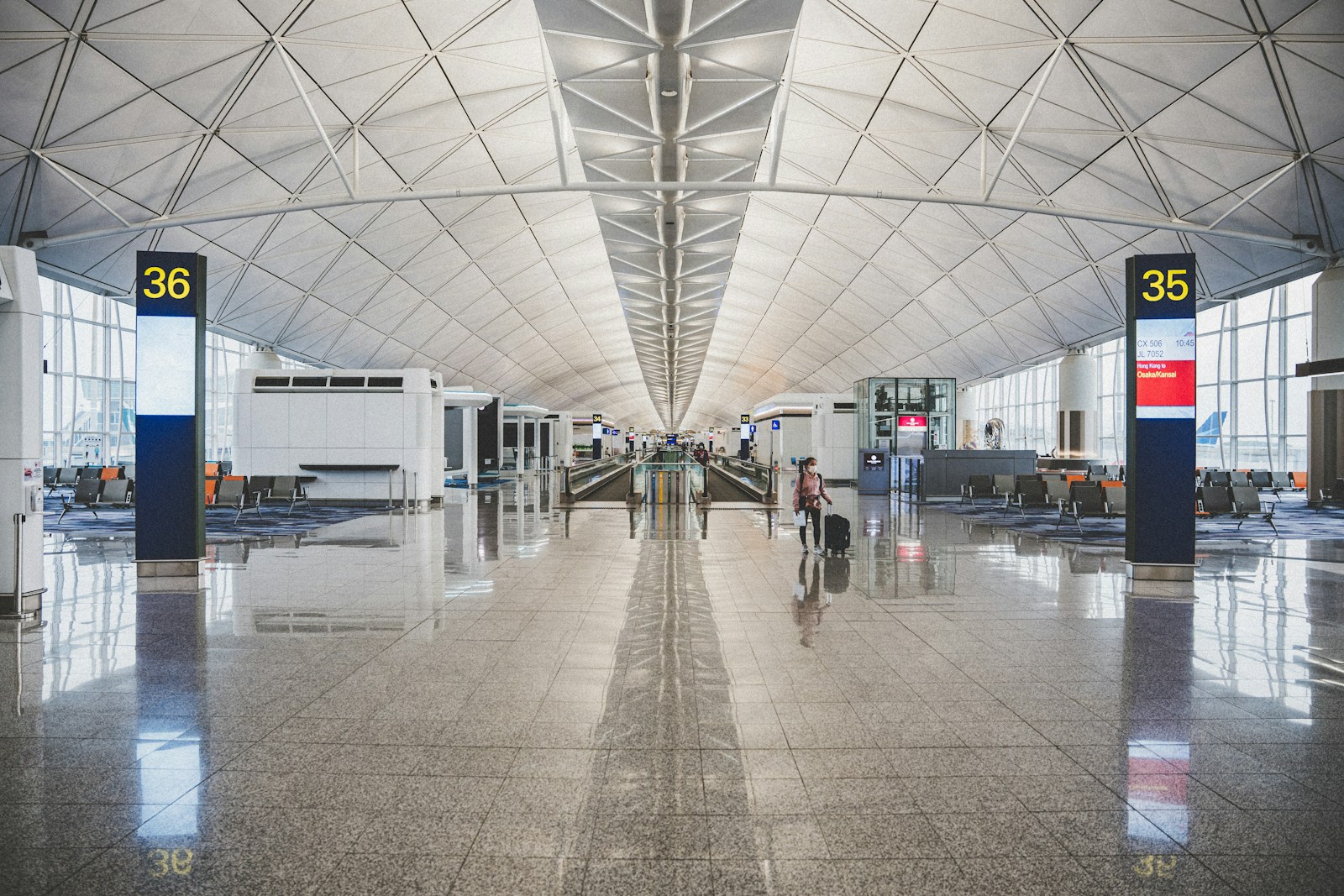
Landing at a bustling international terminal, you’re greeted by rows of glossy kiosks flashing designer fragrances and premium whiskey. The instinct to grab a bottle before you even step onto the tarmac feels like a win, yet the price tag often hides a tax‑free myth. Travelers who rush to the pre‑flight shop usually overlook two facts: the customs allowance you can legally bring home and the inflated markup that airports slap on every item. The real bargain, paradoxically, waits just past the customs line, where the same products can be $30‑$70 cheaper and still sit safely within your personal quota.
Can arrival duty‑free really beat pre‑flight prices?
The first thing most flyers miss is that departure‑zone stores calculate prices assuming you’ll clear customs without a limit. Their “tax‑free” label is a marketing veneer, not a guarantee you’ll keep the item without paying duty later. In practice, many of those shelves feature a 20‑% premium over the same goods sold at the arrival area, where the airport’s duty‑free operator competes with local tax authorities to stay attractive.
A quick scan of a popular brand of cognac shows a $150 price tag in the boarding gate lounge but a $115 tag in the arrival hall of the same airport. The difference isn’t a random discount; it reflects the arrival shop’s ability to price closer to the global wholesale rate because the product will be inspected immediately after purchase.
If you’re traveling with a layover that includes a second security checkpoint, the arrival‑shop advantage can evaporate, but for point‑to‑point flights the savings hold firm.
How do customs allowances shape what you can actually keep?
Every country publishes a duty‑free allowance that caps the value or quantity of goods you may import without tax. The United States, for example, lets most travelers bring in $800 worth of merchandise, while the European Union generally permits €430 for air arrivals. Those limits aren’t vague suggestions—they’re hard thresholds that trigger a bill the moment you exceed them.
When you buy in the departure lounge, you risk double‑counting the item because customs officials still apply the same allowance, regardless of where you bought it. In contrast, an arrival purchase is automatically recorded at the point of entry, making it easier to stay within the quota.
A common mistake is assuming that a single bottle of perfume counts as “one item,” ignoring that its value may already consume a large slice of a $200 allowance for a short‑haul trip. Calculating the monetary ceiling before you step off the plane prevents an unexpected receipt at the baggage claim desk.
What hidden mark‑ups lurk in departure lounges?
Airport retailers often justify higher prices by citing “exclusive” packaging, limited‑edition releases, or the cost of operating in a secure zone. The reality is that rent per square foot in a boarding gate area can be three to five times higher than in the arrival concourse, and those overheads get passed straight to the consumer.
Even when a product appears identical, the barcode may differ, signalling a separate supply chain that includes a “premium for convenience” surcharge. Some airlines bundle duty‑free purchases with a service fee that appears as a small percentage but can add $10‑$20 to a $100 item.
Because the departure shop’s inventory turnover is slower, it frequently carries older stock at inflated prices, whereas the arrival shop refreshes its shelves daily to match the latest market rates.
When does flight timing affect duty‑free savings?
Long‑haul flights that land in the early morning often see arrival shops still stocked from the previous night’s restock, meaning the freshest selection is available. Conversely, late‑night arrivals may encounter depleted shelves, forcing you to settle for higher‑priced alternatives or wait for the next day’s inventory.
If your layover includes a change of aircraft, the time you spend in the transit area can affect whether you have the opportunity to visit the arrival duty‑free zone at all. Some hubs close their post‑landing shops an hour after the last scheduled arrival, so a 23:55 landing might leave you with no options.
Checking the airport’s duty‑free operating hours on the official website before you book can spare you a futile sprint through the terminal after a red‑eye flight.
Practical steps to maximize arrival duty‑free value
- Audit your personal allowance – Write down the exact monetary or unit limits for your destination. Use a simple spreadsheet to subtract the value of any gifts or souvenirs you already plan to bring. This helps you see exactly how much room remains for duty‑free purchases.
- Scout price differentials online – Before you depart, browse the airport’s duty‑free catalog (many sites list prices for both departure and arrival sections). Note items whose arrival price is at least 15 % lower than the departure price; those are the prime candidates for a post‑landing buy.
- Factor in ancillary fees – Some arrival shops tack on a handling charge of $5‑$12 for alcohol or tobacco. Include that figure in your mental budget so you don’t get surprised by the final total.
- Carry cash in the local currency – While most kiosks accept cards, a small discount of 2‑3 % often appears for cash payments, especially for high‑value items like watches. Having a handful of bills ready can shave off a few extra dollars.
- Time your visit strategically – Aim to hit the arrival duty‑free within the first 30 minutes after deplaning. Early shoppers benefit from fully stocked shelves and avoid the rush that can drive staff to inflate prices at the last minute.
Following this checklist typically yields a net saving of $30‑$70 on a standard bottle of Scotch, and it keeps you comfortably under the customs limit.
What to double‑check before you hand over cash?
Verify the barcode on the receipt matches the product you’re taking home; mismatches can cause customs to flag the item for re‑valuation. Confirm that the shop printed a clear breakdown of taxes, fees, and the final duty‑free amount—a missing line item often signals hidden costs. Lastly, glance at the airport’s official customs allowance chart one final time to ensure your total purchase stays within the legal limit for your return trip. A quick double‑check saves you from an unexpected invoice at the baggage claim belt.
Shop or reserve before you fly
Before you fly, read these
Save up to 40% on whisky and perfume at Changi duty‑free
Learn which product groups truly undercut Singapore’s city stores and how to stay inside customs limits. Most guides gloss over the fine print, turning a seeming steal into a costly mistake.
Istanbul Airport Duty‑Free: Save Up to 40% on Real Deals
Learn which items truly beat city prices at Istanbul’s duty‑free and how customs limits shape your savings. Most travel guides gloss over hidden mark‑ups, leaving you with inflated receipts.
Heathrow Duty‑Free: Where Alcohol Saves, Gadgets Bleed
The guide tells you which product classes truly beat city prices and which ones are trap doors for your wallet. Most travel blogs lump everything together, leaving you overpaying on gadgets and missing real bargains on spirits.